

Most custom kiosk projects do not fail in production — they fail on the drawing. A dimension nobody confirmed, a module nobody measured, a cable route nobody planned. Once sheet metal is cut, changes cost real money. Whether you are building a payment kiosk, a self-service terminal or a fully custom machine, confirm these twelve items before you approve the final drawing.
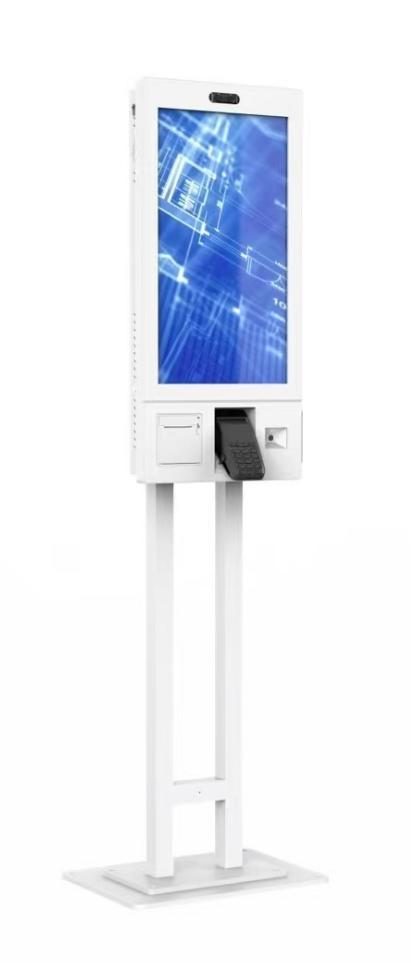
1. Display model and exact outline dimensions
Lock the exact panel model, not just the size class. A 21.5-inch panel from two suppliers can differ by several millimeters in outline and mounting holes.
2. Touch technology and glass thickness
PCAP, SAW and IR have different depth and frame requirements. The enclosure must be designed around the chosen touch stack, not adjusted afterward.
3. Brightness and thermal budget
High-brightness panels generate heat. Confirm airflow paths, vent positions and, for sealed outdoor units, whether you need filtered ventilation or active cooling.
4. Every peripheral module, with real measurements
Printers, scanners, card readers, cameras, NFC modules, cash acceptors — get the datasheet dimensions and mounting style of each, and place them where the user’s hand naturally reaches.
5. Cable routing and connector access
Decide where cables enter, how they are strain-relieved, and how a technician reaches connectors without dismantling half the machine.
6. Service access
Front door, rear door or side panels? Whoever maintains the machine should reach every module in under five minutes with standard tools.
7. Material and thickness
Cold-rolled steel for strength, aluminum for weight, stainless for hygiene or outdoor. Thickness affects rigidity, weight and cost — confirm it in writing.
8. Surface finish
Powder coating color and texture, brushed or polished metal, anti-fingerprint options. Approve a physical sample or a clear RAL/Pantone reference, not a screen rendering.
9. Branding
Logo placement, backlighting, color accents. Decide early — adding a backlit logo after the front panel is cut is painful.
10. Compliance and safety
Edge treatment, ventilation standards, electrical clearances, and any certification your market requires (CE, FCC, UL). Compliance is a design input, not an afterthought.
11. Packaging and assembly time
Flat-pack or fully assembled? How many minutes per unit on the line? This decides your landed cost more than most buyers expect.
12. Spare parts and revision control
Freeze a revision number, keep the drawing package complete, and confirm which parts are replaceable in the field two years from now.
Why This Checklist Matters
A factory that builds enclosures in-house — laser cutting, CNC bending, welding, powder coating and final assembly under one roof — can walk this checklist with you in days, not weeks, because every answer comes from the same building. Send us your module list and we will return a 2D/3D drawing with these twelve items already answered.