
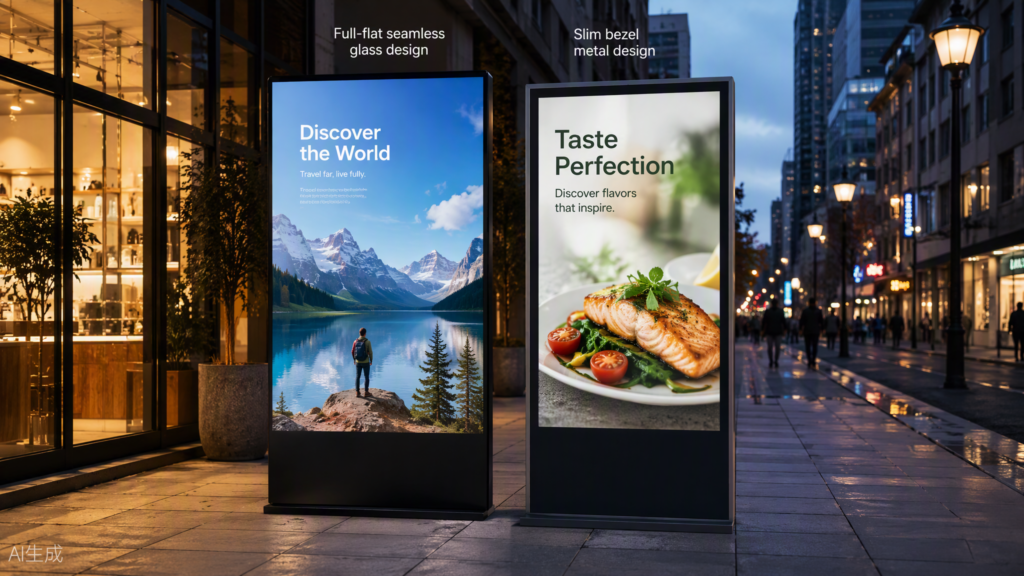
Flat vs Slim-Bezel Outdoor Digital Signage: How to Choose the Right Enclosure Design
Flat bezel or slim bezel outdoor digital signage? Compare protection, cooling, maintenance and looks to pick the right enclosure for your project.

Flat bezel or slim bezel outdoor digital signage? Compare protection, cooling, maintenance and looks to pick the right enclosure for your project.
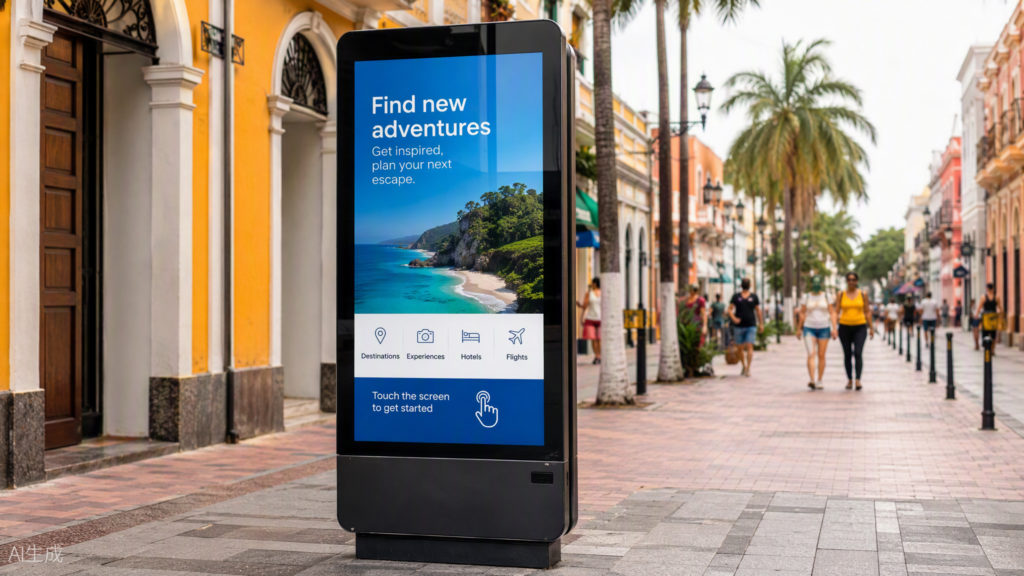
Planning to import self-service kiosks from China to Latin America? Prepare voltage, plugs, Spanish UI, local payments, climate and spare parts first.
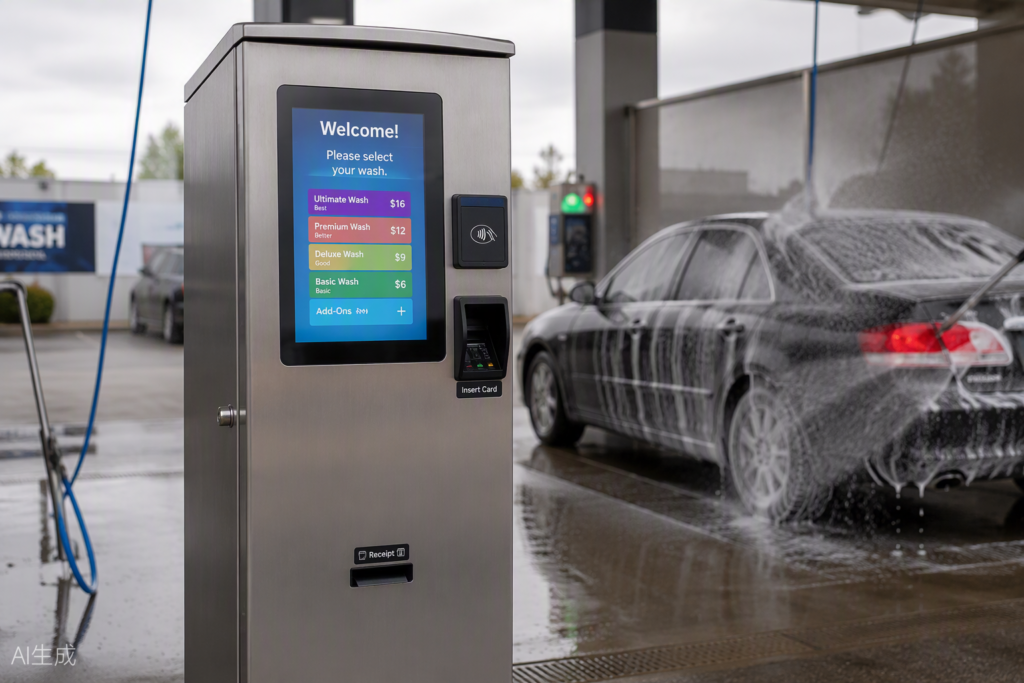
A self-service car wash kiosk faces water jets, foam and chemicals daily. Learn how to spec the screen, enclosure, payment modules and finish.
Inside the custom kiosk manufacturing process: drawing review, DFM, prototyping, sheet metal, welding, powder coating, assembly, QC and shipping.
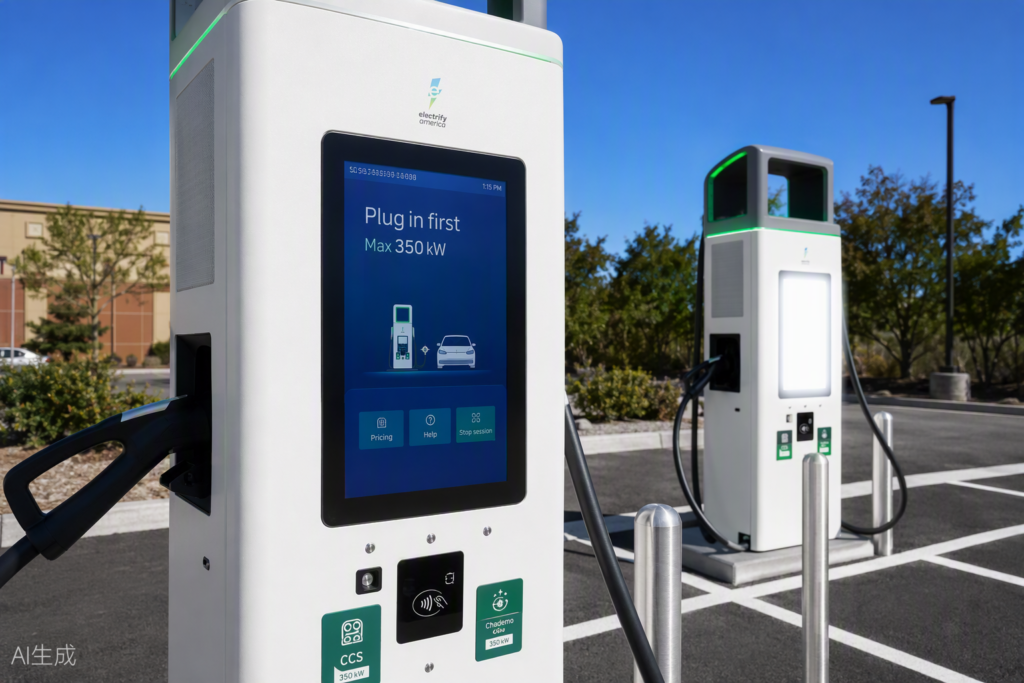
Choosing an EV charger display? Compare brightness, temperature range, touch technology, sealing and interfaces for outdoor charging station screens.
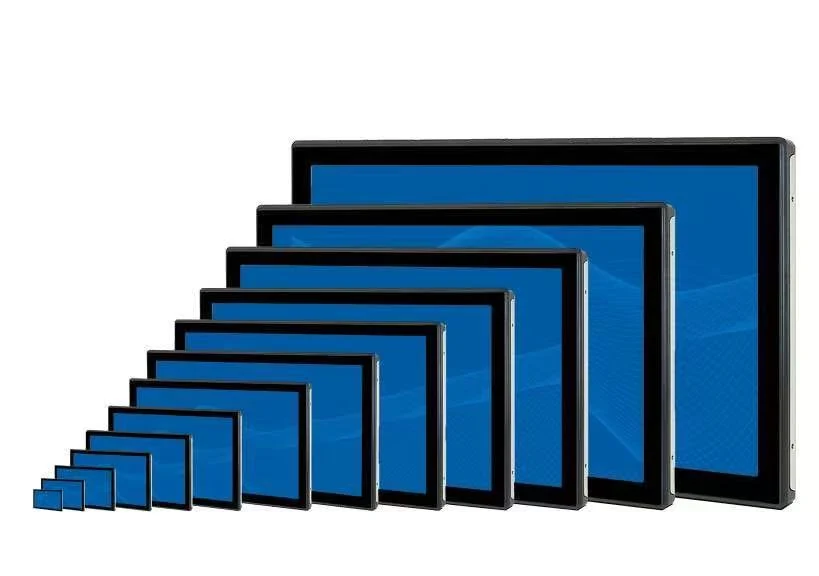
A practical kiosk sample testing protocol: 72-hour full-brightness burn-in, thermal cycling for touch accuracy, and batch consistency checks.
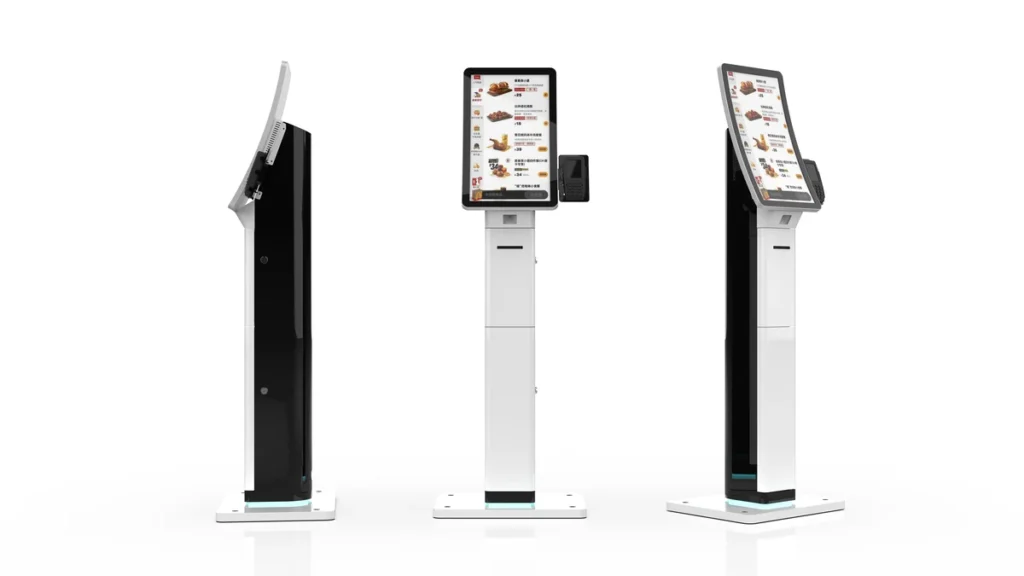
What IK10 really means for an anti vandal kiosk: impact ratings, glass, touch technology, enclosure weak points and how to verify protection.
MDB, pulse and RS232 explained for kiosk buyers. How standard payment interfaces let local payment partners connect card readers, QR and coin acceptors.
Optical bonding vs air gap displays compared: reflection, condensation, sunlight readability and cost. Learn when an optical bonding display is worth it.
Industrial touch PC vs monitor plus box PC: compare integration, serviceability, thermals and lifecycle to choose the right kiosk architecture.