

Open frame touch monitors are widely used in kiosk projects, self-service terminals, industrial equipment, ticketing machines, medical devices, and smart retail systems. Compared with a standard desktop monitor, an open frame touch monitor is designed for embedded installation, which makes it easier for equipment manufacturers and system integrators to build it into their own machines.
For many kiosk projects, choosing the right open frame touch monitor is not only about screen size. It also involves touch technology, display brightness, mounting structure, interface options, operating environment, and long-term product stability. A suitable touch monitor can improve user experience, reduce integration problems, and support stable operation in commercial or industrial environments.
What Is an Open Frame Touch Monitor?
An open frame touch monitor is a display module with a touch panel and metal frame structure, usually without a complete outer housing. It is designed to be installed inside another device or machine. This type of monitor is commonly used in kiosks, vending machines, industrial control panels, payment terminals, gaming machines, and other embedded systems.
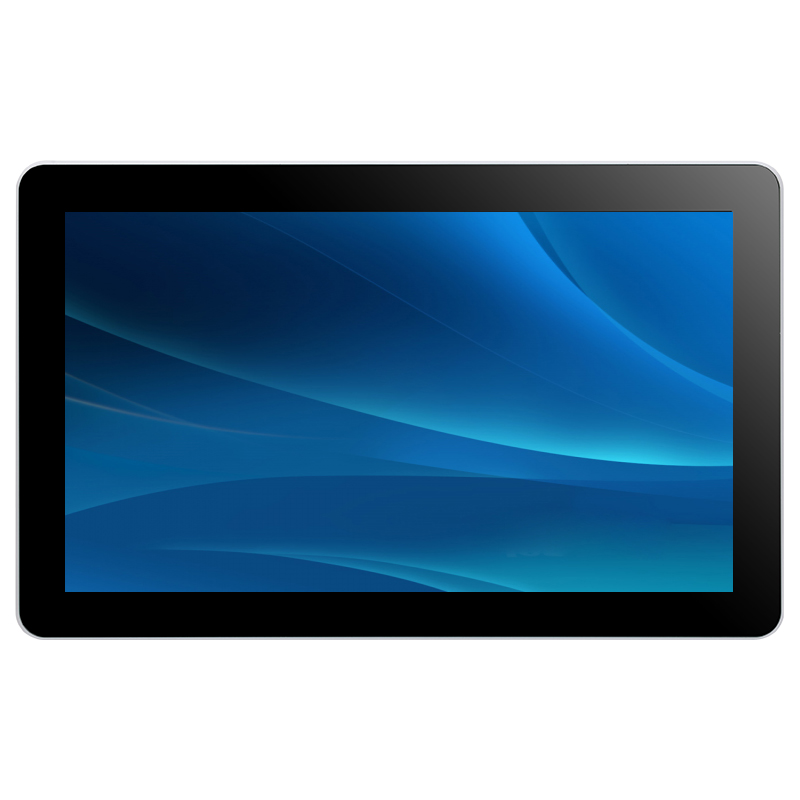
Because the monitor is installed into a customized enclosure, the mechanical design is very important. The mounting holes, frame size, display area, and cable direction need to match the customer’s equipment design.
Key Factors to Consider Before Choosing
- Screen Size
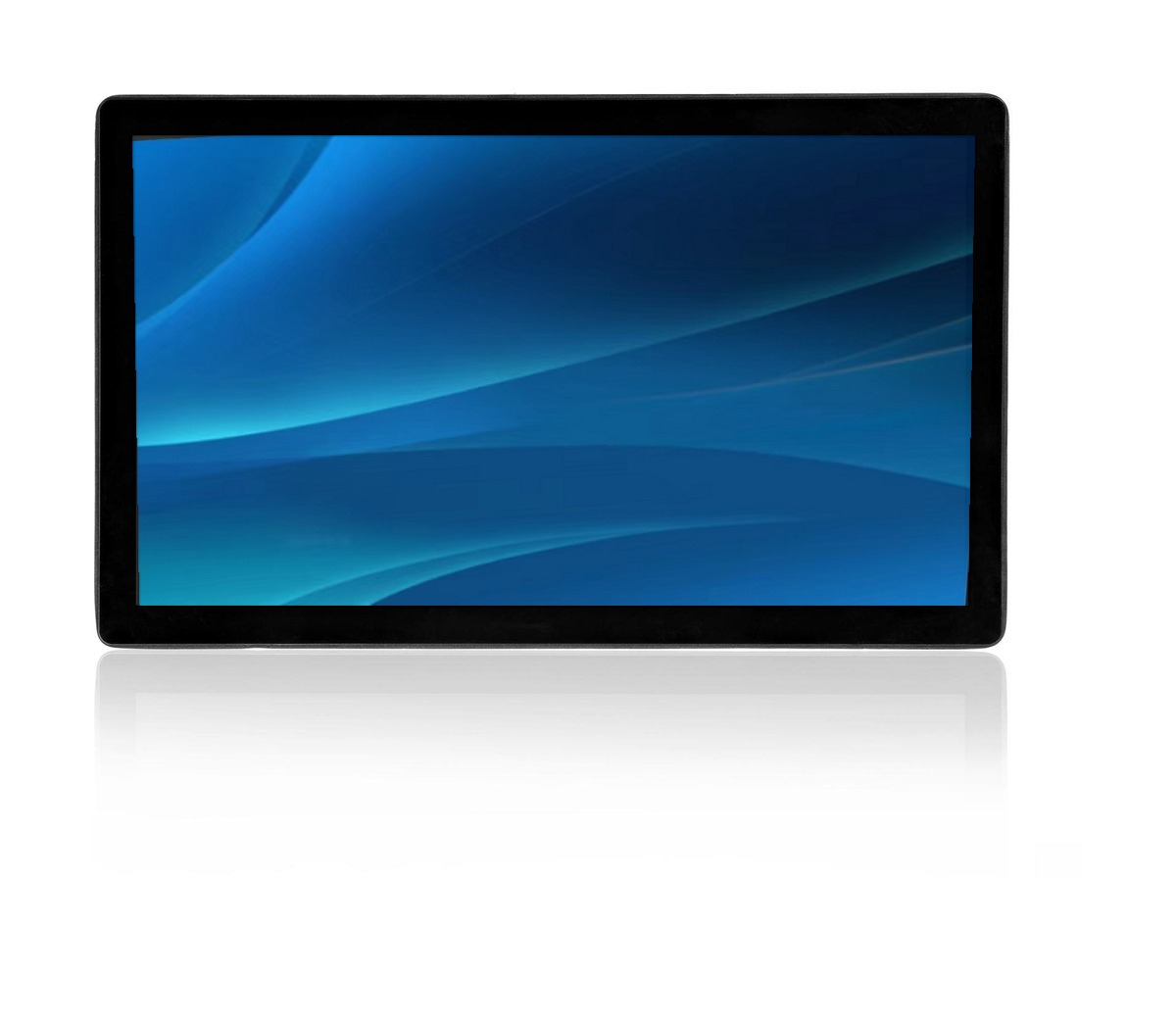
The first step is to choose the correct screen size. Common sizes include 10.1 inch, 15.6 inch, 17 inch, 21.5 inch, 27 inch, and 32 inch. Smaller sizes are often used for compact equipment, while larger sizes are suitable for interactive kiosks, information terminals, and digital signage systems.
- Touch Technology
PCAP touch is suitable for modern projects that require a smooth touch experience, multi-touch support, and a flat front design. IR touch can be considered for larger displays or applications that require operation with gloves or different touch objects. The right touch technology depends on the environment, user behavior, and project requirements.
- Brightness and Display Performance
For indoor kiosks, standard brightness is often enough. For semi-outdoor or high-light environments, higher brightness may be required. Viewing angle, resolution, color performance, and panel quality should also be considered, especially for applications where the display needs to run for long hours.
- Mounting and Mechanical Design
Open frame touch monitors are usually installed into a cabinet or machine structure. Before confirming a model, customers should check the mechanical drawing, mounting holes, VESA support, frame dimensions, and cable position. This helps avoid installation problems during production.
- Interface Options
Different projects may require different signal and touch interfaces, such as HDMI, VGA, USB, RS232, or other customized interfaces. For industrial or kiosk applications, stable connection and easy integration are very important.
- Customization Requirements
Many kiosk projects need customized solutions, including front glass design, logo printing, touch panel selection, interface adjustment, cable length, mounting structure, and housing design. Working with a supplier that supports customization can make project development much easier.
Where Are Open Frame Touch Monitors Used?
Open frame touch monitors are commonly used in:
Self-service kiosks
Industrial control systems
Payment terminals
Ticketing machines
Medical equipment
Vending machines
Gaming and entertainment equipment
Smart retail terminals
Digital signage systems
For system integrators and equipment manufacturers, the open frame design provides flexibility. It allows the touch monitor to become part of the customer’s final product instead of being used as a separate external display.
How LFTouch Supports Kiosk Projects
LFTouch provides open frame touch monitors for global B2B projects. Our products can support different sizes, touch technologies, interfaces, and mounting structures. We can also provide customized touch display solutions according to project requirements.
For kiosk manufacturers, industrial equipment builders, and self-service terminal integrators, LFTouch can help evaluate the suitable display size, touch technology, mechanical structure, and interface configuration before mass production.
Conclusion
Choosing the right open frame touch monitor is an important step for kiosk and embedded display projects. Customers should consider not only the screen size, but also touch technology, brightness, installation structure, interface requirements, and customization needs.
If you are developing a kiosk, industrial terminal, or embedded touch display project, LFTouch can help you choose a suitable open frame touch monitor and provide customized support for your application.